
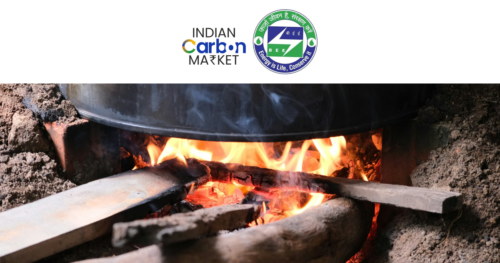
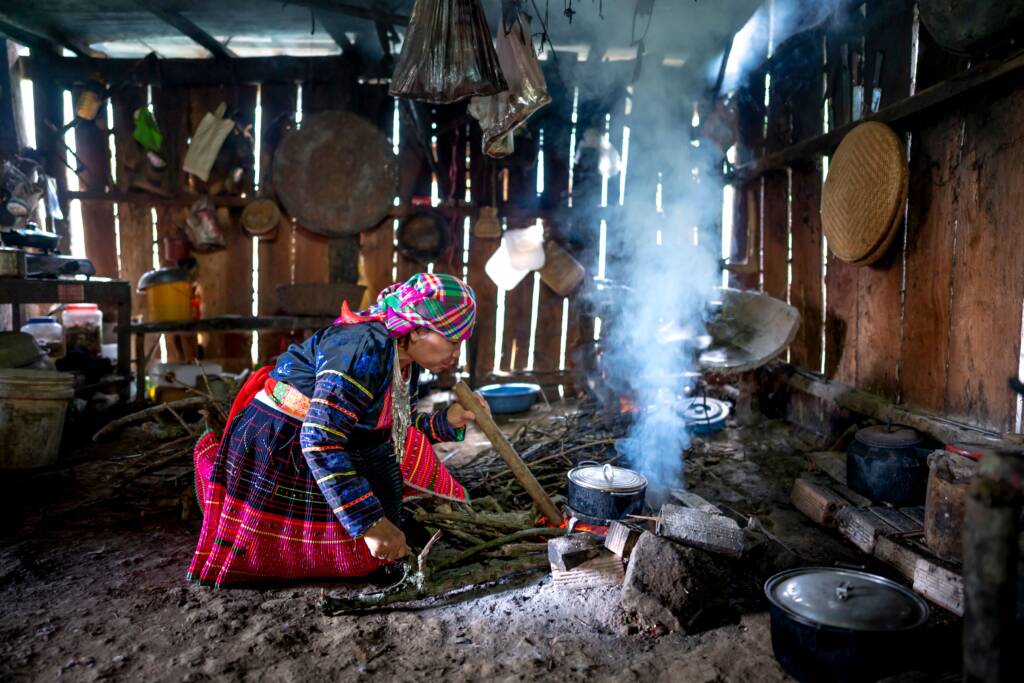
cooking on smoky traditional stoves that burn wood, dung and other polluting fuels.
Clean cooking programs can earn carbon credits in India, but only if the savings are measured in a trusted way. Millions of households still cook on smoky traditional stoves, burning wood, dung or other polluting fuels. Switching to cleaner and more efficient options cuts emissions, protects health and saves fuel.
At a glance
- Based on: BM-EN01-XXX CCTS Methodology is the latest draft adopted from and refers to UNFCCC Article 6.4 CLEAR methodology for cooking energy transitions
- Gases covered: CO₂, methane (CH₄) and nitrous oxide (N₂O)
- Level: household and community cooking transitions
- Who is responsible: the Non-obligated entity (project developer) and the Accredited Carbon Verification Agency (ACVA) must track any revisions to the methodology
1. What Does Clean Cooking Programs Cover?
Clean cooking program methodology applies to household-level projects that move people from polluting cooking fuels and technologies to cleaner and/or more efficient ones. A project can choose one of two ways to measure fuel use, and may set its baseline in three ways.
| Approach 1: CTEC | Approach 2: Non-CTEC | |
| Name | Continuously Tracked Energy Consumption (CTEC) | Sample-based measurement (Non-CTEC) |
| How it works | Fuel or energy use is measured continuously for all project technologies and households | Energy use is measured for a representative sample of sites |
| Tools | Data loggers, meters or eligible household fuel-sales records | Project Kitchen Performance Tests (KPT), with optional Stove Use Monitors (SUM) |
Setting the baseline: Baseline energy use can come from direct measurement, back-calculation, or conservative global defaults, subject to the applicable conditions, caps and flags.
2. Ground Rules for Clean Cooking Programs:
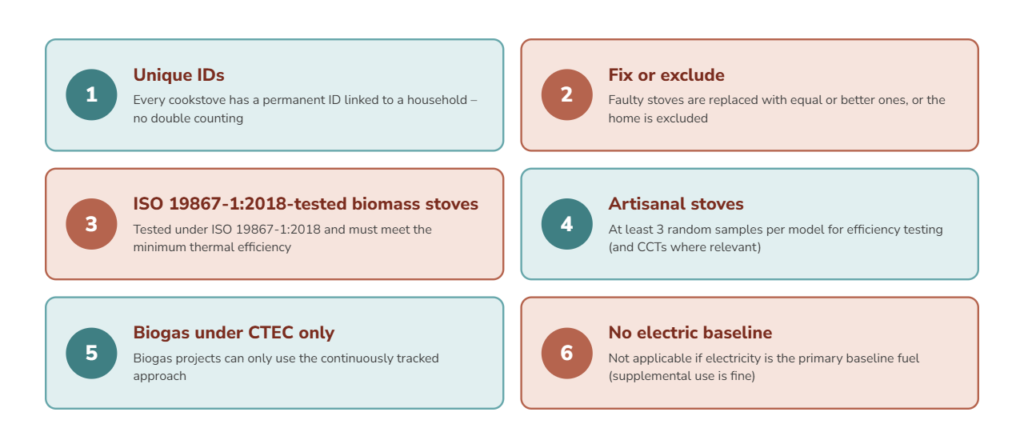
Not every cooking project qualifies. The methodology sets clear conditions to keep credits credible and avoid double counting.
3. Two worlds: with and without the project
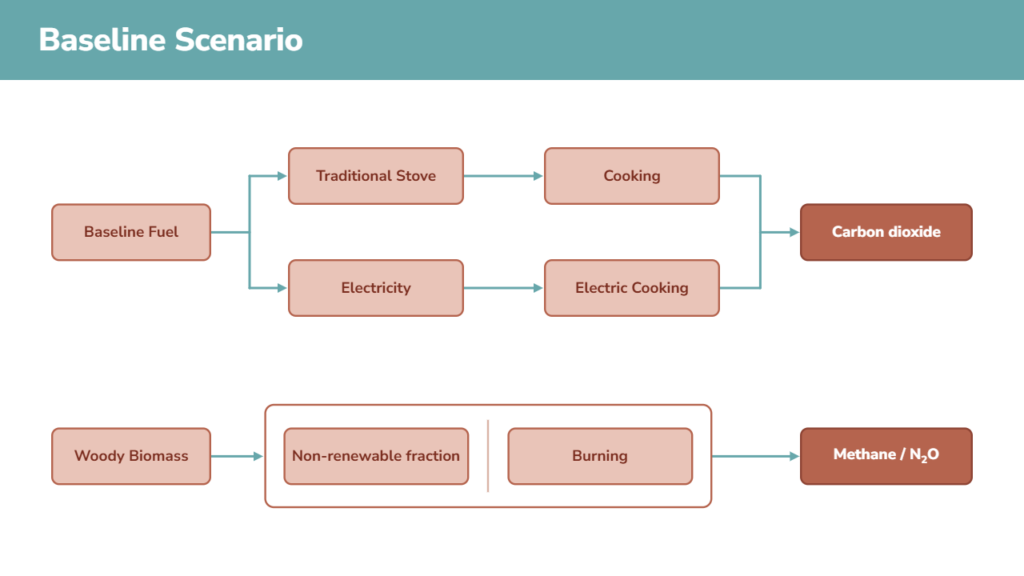
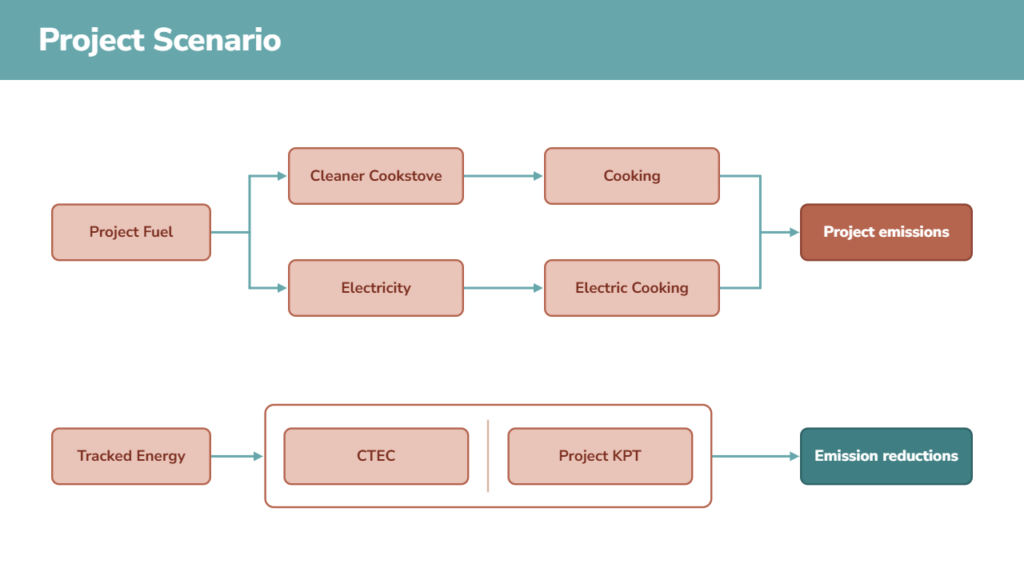
Every credit comes from comparing two scenarios. In the baseline, existing stoves and fuel habits simply continue. In the project scenario, cleaner stoves or electric cooking replace part of that demand. Both count point-of-use combustion and upstream fuel emissions.
Why does Fraction of Non-Renewable Biomass (fNRB) matter?
- For woody biomass, only the fraction of wood harvested unsustainably (the Fraction of Non-Renewable Biomass, or fNRB) is counted as a CO₂ emission. Burning wood also releases methane and N₂O, which are always counted.
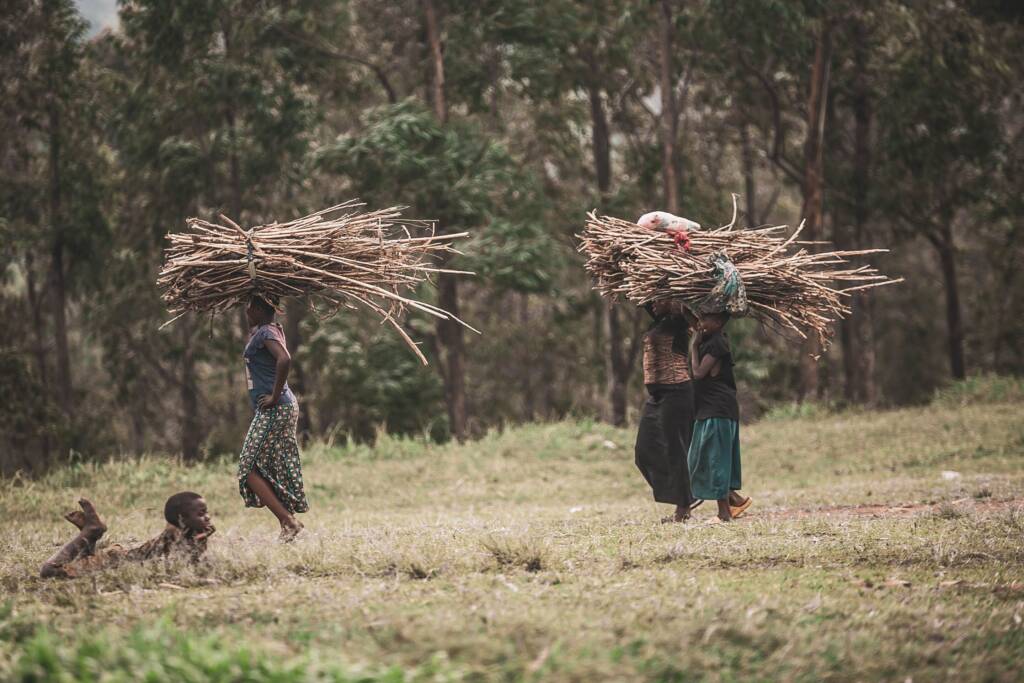
Only the share of wood harvested unsustainably (fNRB) counts as a CO₂ emission.
4. The math, made simple :
Baseline emissions combine how much energy households would have used, the emission factors of those fuels, the fNRB where relevant, and upstream emissions. The final credit calculation is refreshingly short: subtract project emissions from baseline emissions, then apply a leakage deduction. Projects must use a 2% default leakage deduction or carry out an evidence-based leakage assessment.
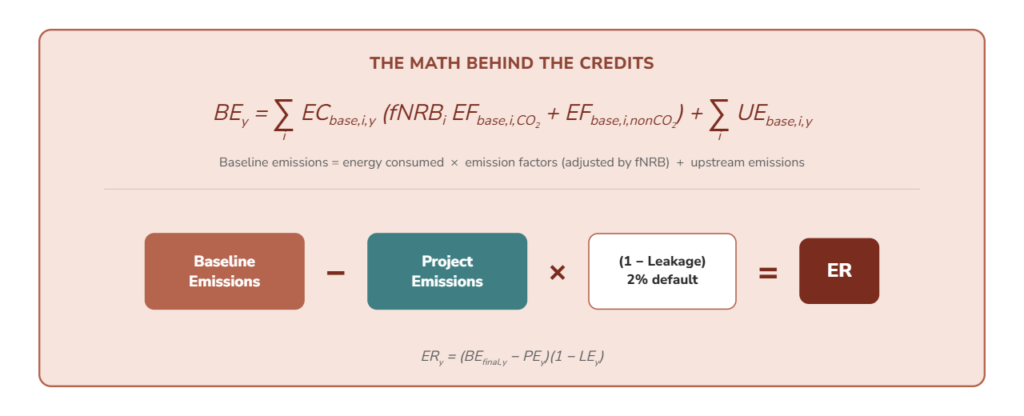
Note: CTEC projects can use back-calculation or a KPT-based emission quotient. Non-CTEC projects may use a baseline KPT or eligible conservative defaults, and apply a Hawthorne-effect adjustment where applicable.
5. What gets monitored?
Project emissions depend on solid data. A few of the key parameters tracked:
| Parameter | What it captures | Unit |
| Daysy,h | Maximum possible project-technology days during year ‘y’ in household ‘h’ | Number |
| FCx | Fuel consumption for the respective fuel and scenario | tonnes |
| ntECproj,j,y | Energy consumption of project fuel j for non-CTEC projects measured through the project KPT | TJ/(person·year) |
| tECproj,grid,h,y | Tracked grid electricity consumed for cooking in household h during year y | kWh |
| PTCm | Average project-technology cooking events per day over one month from SUM measurements | events/day |
| PTCKPT | Average project-technology cooking events per day during project KPT from SUM measurements | events/day |
| SCp,j | Specific energy consumption of a project cookstove using fuel j | MJ/kg food |
| ΨY | Project households with cookstoves present and used at least once per week | % |
| Hₛ | Average household size | persons/household |
6. Proof in practice: a live example
The methodology is not just theory. A grouped clean cooking project in India is already issuing credits.
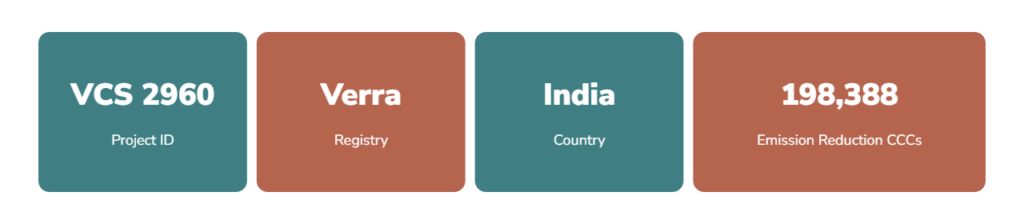
VCS 2960 replaces traditional biomass stoves with efficient, clean cooking technologies across India. Climate Secure leads the project, with Earthfit as co-developer and implementation partner, and Removall SAS as founding partner and key investor. The first project activity has been launched in Maharashtra.
Key takeaways
- Two measurement routes: Continuous tracking (CTEC) or sample-based testing (non-CTEC).
- Credits = (Baseline − Project emissions) × (1 − leakage), with a 2% default leakage.
- Quality guardrails: Unique stove IDs, ISO-tested biomass stoves, and no double counting.
- Biogas projects must use CTEC, and electricity cannot be the primary baseline fuel.
- Real projects like VCS 2960 show the model already works at scale.
What would it take to meet your Carbon Goals?
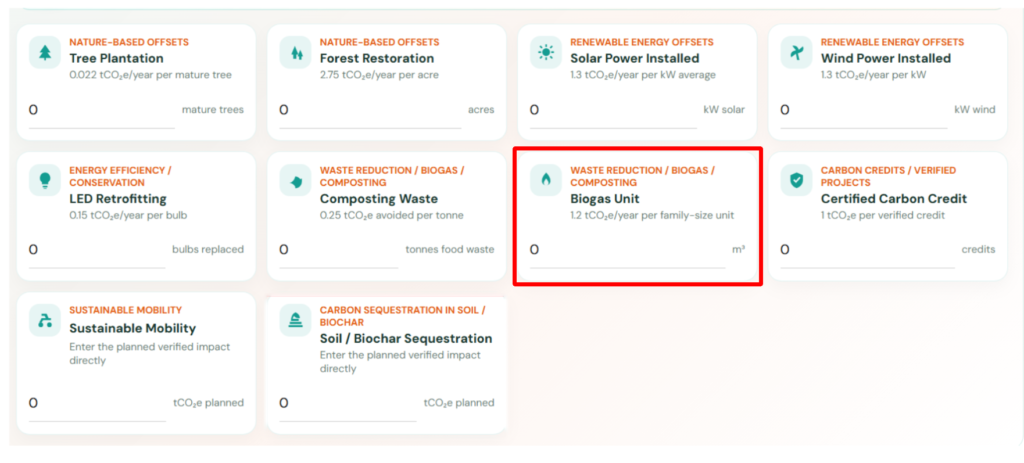
Looking to offset your emissions through clean cooking? Try the Biogas Unit option in our in-house carbon calculator to estimate the annual impact of a family-size biogas installation.
Enter your planned capacity and see the potential tCO₂e saved, based on a transparent per-unit emission factor.
Measure your emissions. Understand your opportunities. Explore the right carbon pathway.