


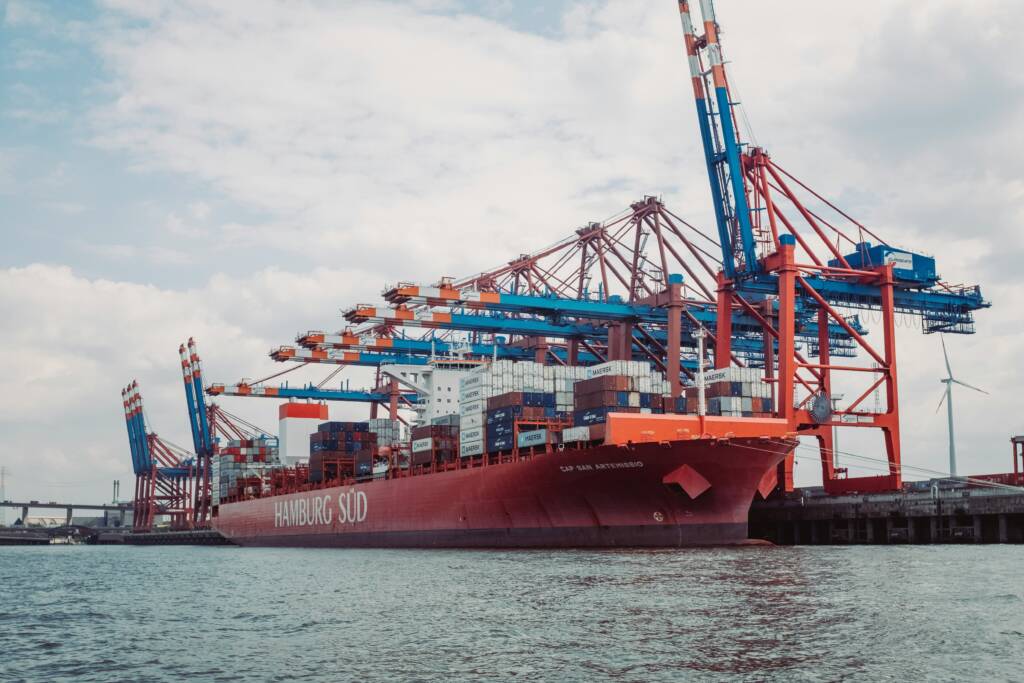
Shore power for ships lets vessels at berth plug in instead of running onboard generators.
Shore power for ships, also known as onshore power supply or shore to ship power, allows a vessel to switch off its engines at berth and draw electricity from the port. Today, when a vessel is docked, its auxiliary generators often keep running to supply lighting, pumps and other essential equipment. This reliance on fossil fuels means continued fuel consumption and CO₂ emissions even when the ship is not sailing. The Bureau of Energy Efficiency (BEE), Ministry of Power has identified a methodology so that projects which plug ships into shore-side electricity can earn carbon credits in India’s carbon market.
At a glance
- Methodology: EN01.00XX, Emission reduction by shore-side electricity supply system (Energy sector)
- Adopted from: UNFCCC CDM methodology AMS-III.BP, as valid from 12 June 2020
- How does it cut emissions: a fuel switch, displacing more GHG-intensive power produced by the ship’s generators
1. How does Shore Power for Ships Works: Baseline and Project Scenario:
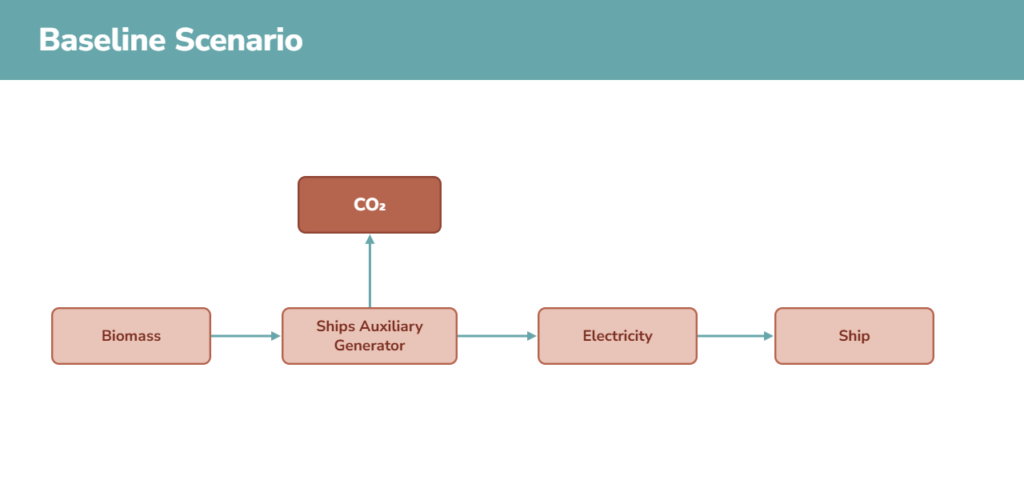
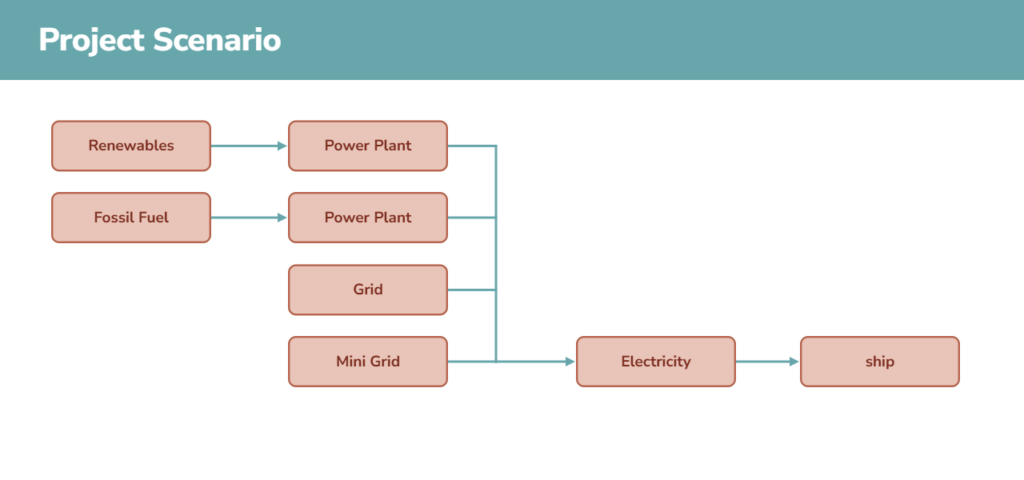
In the baseline, ships at berth generate their own electricity from fossil fuel. In the project scenario, the same demand is met by shore-side supply, which can come from several sources.
2. When Does the Shore Power for Ships Methodology Apply?
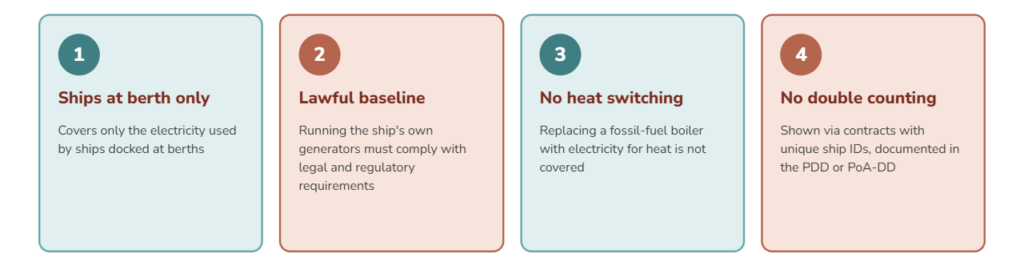
On Double counting: The Non-Obligated Entity (NoE) must show that reductions are not claimed twice, for example through a contractual agreement between shipowners and ports or electricity suppliers that includes unique identification of ships. This must also hold once the International Maritime Organization’s Net-Zero Framework is in force, and the steps taken must be documented in the PDD or PoA-DD.
3. How are the emission savings calculated?
The methodology compares what the ships’ generators would have emitted with what the shore-side supply emits.
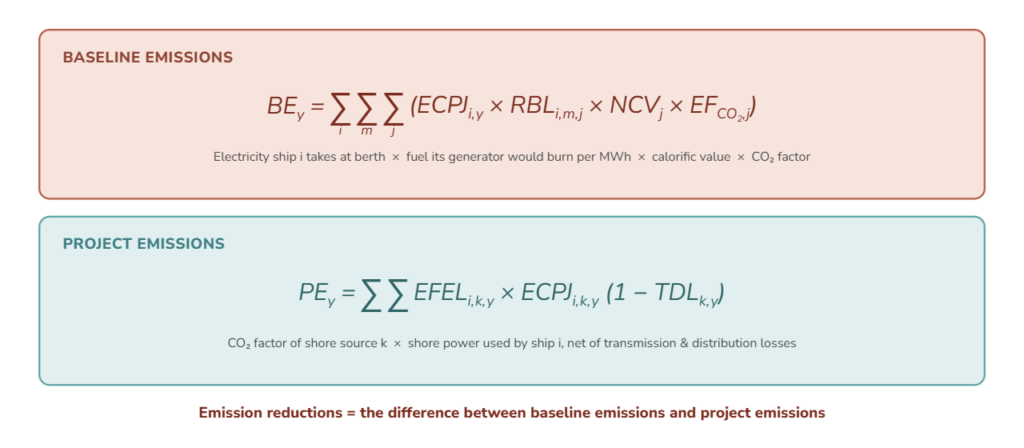
• Baseline: Electricity each ship uses at berth, multiplied by the fuel its generator burns per MWh, the fuel’s calorific value and its CO₂ factor.
• Project: The CO₂ factor of each shore source multiplied by the electricity supplied, net of transmission and distribution losses.
• Renewable supply: If the electricity comes from renewable energy systems, the emission factor is set to zero.
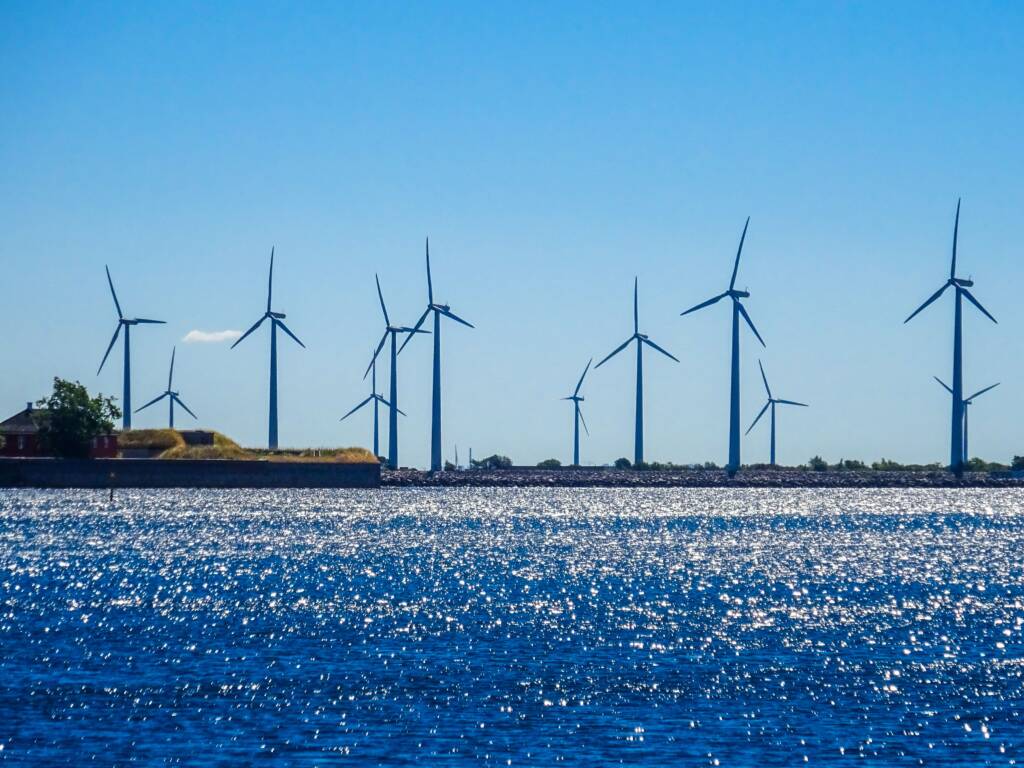
Renewable shore power is counted as zero-emission under the methodology.
Key data to monitor
| Parameter | What it captures | Unit |
| RBLi,m,j | Consumption rate of fossil fuel ‘j’ of auxiliary power generator ‘m’ of ship ‘i’ in the baseline scenario | Mass or volume unit/MWh |
| NCVj | Net calorific value of the fuel ‘j’ | GJ/mass or volume unit |
| ECPJi,y | Electricity consumed by the ship ‘i’ docked at the project berth during year ‘y’ | MWh |
| EFELi,k,y | CO₂ emission factor of the shore-side electricity source k supplying electricity for the ship ‘i’ in year ‘y’ | tCO₂/MWh |
| TDLk,y | Average technical transmission and distribution losses for providing electricity to source k in year y | % |
| EFCO2,j | CO₂ emission factor of fossil fuel ‘j’ | Tonnes of dry matter |
Key takeaways
- Ships at berth switch from onboard fossil-fuel generation to grid, mini-grid or renewable shore power.
- Only electricity use of ships docked at berths is covered; heat switching is excluded.
- Renewable shore power is counted as zero-emission.
- Contracts with unique ship identification help prevent double counting.
What would it take to meet your Carbon Goals?
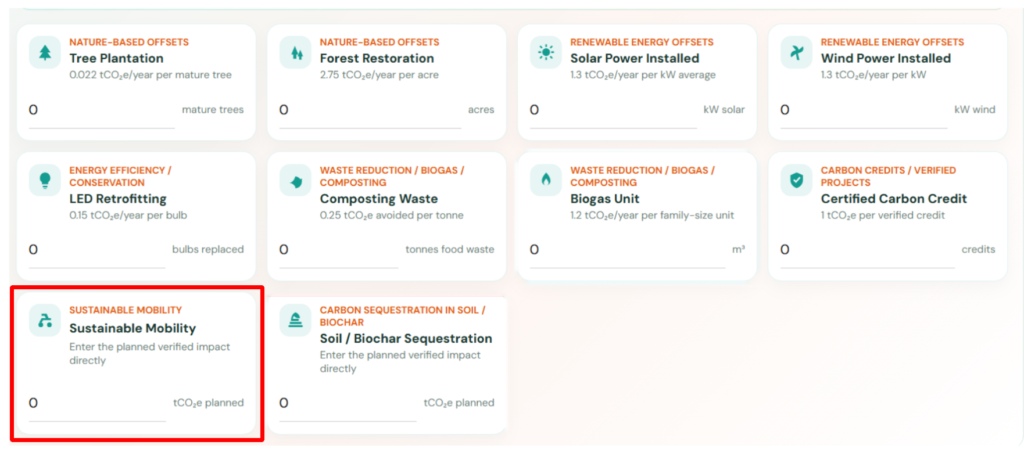
Turn your shore-power project into numbers. With our in-house carbon calculator , enter your planned impact under Sustainable Mobility and see your tCO₂e offsetting potential in seconds.
Measure your emissions. Understand your opportunities. Explore the right carbon pathway.